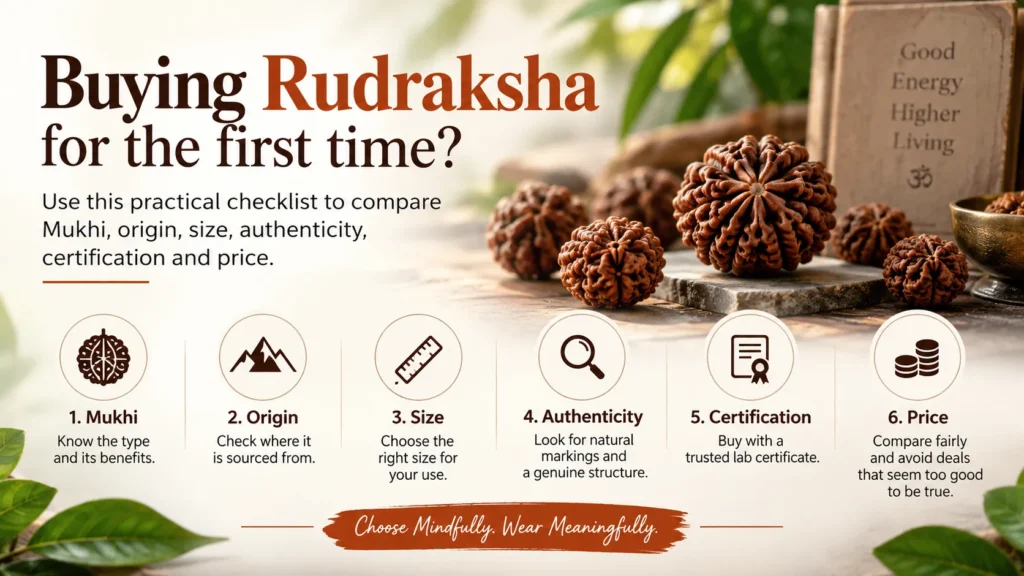
Buying Rudraksha can feel confusing when sellers use terms like Mukhi, Nepali, Indonesian, certified and original.
Instead of focusing on just one feature, evaluate the complete product.
Table of Contents
1. Understand the Mukhi
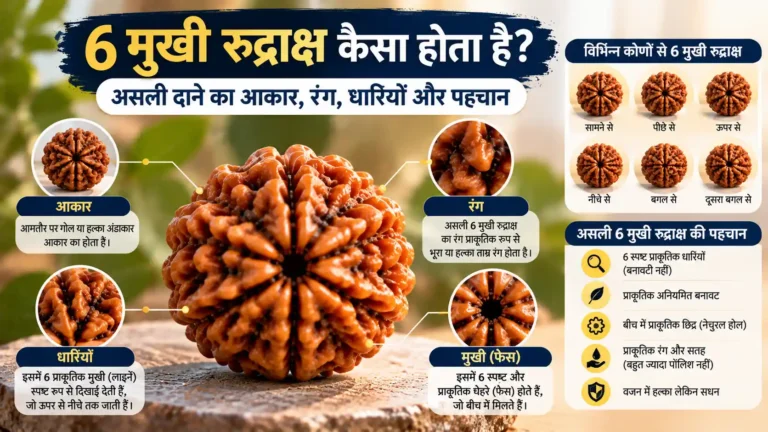
“Mukhi” refers to the natural faces or clefts visible on the Rudraksha bead.
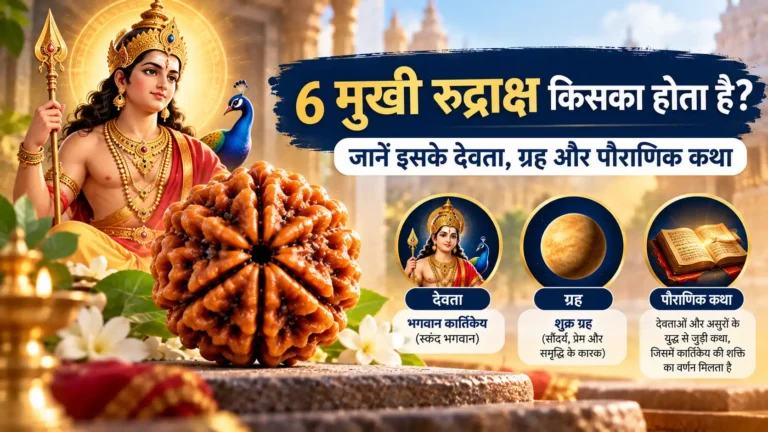
Different Mukhi varieties have different traditional associations.
Don’t choose a rare Mukhi solely because it is marketed as more powerful or valuable.
2. Check the Origin
Nepali and Indonesian Rudraksha are commonly available.
Origin can affect appearance, size and pricing, but it shouldn’t be used as the only measure of authenticity.
3. Consider Bead Size
Rudraksha beads come in different sizes.
For bracelets, consider:
- Wrist size
- Bead diameter
- Comfort
- Overall bracelet design
Larger doesn’t automatically mean better.
4. Look for Authentication
For expensive or rare beads, ask about credible certification or laboratory testing.
Check:
- Issuing organisation
- Report details
- Identification of the bead
- Whether the report can be verified
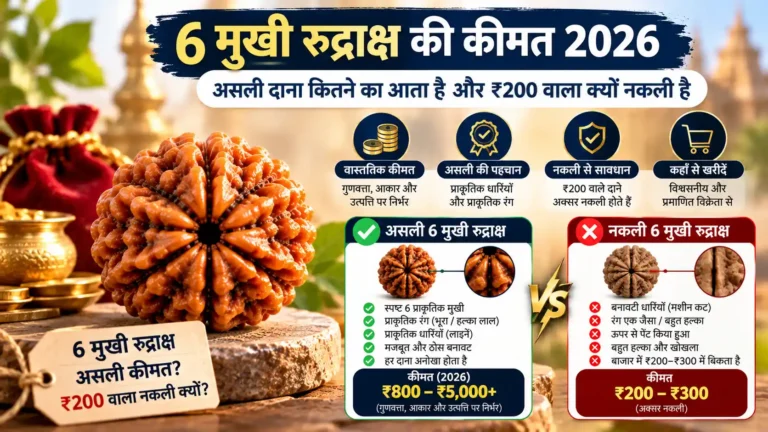
5. Compare the Price
Price can depend on:
Mukhi rarity + origin + size + condition + authentication + demand
Don’t assume that the most expensive bead is automatically the best or most authentic.
6. Evaluate the Seller
A trustworthy seller should provide clear:
- Product photographs
- Specifications
- Pricing
- Return policy
- Contact information
- Authentication details where applicable
Quick Rudraksha Buying Checklist
Before purchasing, ask:
What Mukhi is it?
What is its stated origin?
What is the bead size?
Is authentication available?
Are the product photos of the actual bead?
Does the seller offer a reasonable return policy?
If important details are missing, consider another option.
Final Takeaway
Buying Rudraksha isn’t about finding the most expensive or rarest bead.
A better approach is to compare Mukhi, origin, size, authenticity evidence, certification, seller credibility and price together.
FAQs
Which Rudraksha should a beginner buy?
Many beginners start with commonly available varieties such as 5 Mukhi, depending on their personal tradition and purpose.
Is Nepali Rudraksha better than Indonesian Rudraksha?
Neither is automatically better. They are different varieties with their own characteristics.
Does certification prove Rudraksha authenticity?
A credible authentication report can provide useful evidence, particularly for valuable beads, but buyers should still verify the report and seller.
Should I buy the most expensive Rudraksha?
No. Choose based on authenticity, purpose, quality and your budget—not price alone.